2018年4月10日 星期二

每五條魚就有一條是新種! 科學家揭深海「黯光層」謎樣生態

系級:法一C
學號:06141343
姓名:李紫琳

每五條魚就有一條是新種! 科學家揭深海「黯光層」謎樣生態

時間:2018/04/06  出處:環境資訊中心
科學家在加勒比海珊瑚礁周圍微光層深處進行研究時,發現了許多科學界未知的魚類物種。
記錄這些新物種的研究人員對該地獨特的生態系統印象深刻,將這個地區命名為「黯光層」(rariphotic zone,暫譯)。黯光層位於海面下130至309公尺之間,棲息許多珊瑚礁魚類的近緣物種,一般不認為這些魚類會出現在這種深度。

科學家在深海黯光區發現的新種生物。圖片來源:Carole Baldwin, Smithsonian
英國獨立報報導,這項研究工作在加勒比海南部的庫拉索海岸深水處進行。研究共同作者、史密森尼熱帶研究所(Smithsonian Tropical Research Institute)海洋生物學家羅伯森(Ross Robertson)博士說:「我們在加勒比海黯光層找到的每五條魚中,就有一條是新物種。」
海洋探險家大多忽略中光層以下的珊瑚礁生態系統,因為中光層是熱帶造礁珊瑚所能生存的最大深度。

海洋生物學家羅伯森(Ross Robertson)。圖片來源:Subtation Curaçao
主要作者、史密森尼國家自然歷史博物館魚類研究員鮑德溫(Carole Baldwin)博士說:「據估計,地球上95%的宜居空間在海中。然而,我們只探索了海洋的一小部分,離岸數千英里或是深達數英里的海域探索不易可以理解,但熱帶深海珊瑚礁恰好在受到大量研究的淺礁之下,根本是我們的自家後院。」
「我們希望透過命名深海珊瑚礁所在區域為黯光層,提醒世人持續探索深海珊瑚礁的必要性。」
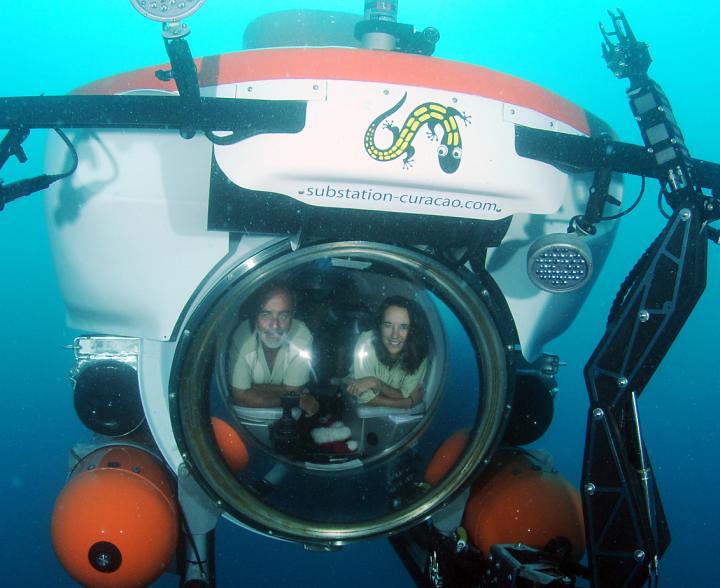
進行史密森尼深海珊瑚礁觀測計畫(Deep Reef Observation Project,DROP)時,鮑德溫博士和她的團隊在他們觀察到4500條魚的黯光層,用深潛器進行了數十次下潛。
在面積200平方公尺的區域內,科學家鑑定出約30種新物種,並將結果發表在《科學報告》(Scientific Report)期刊
鮑德溫(Carole Baldwin)博士藉由深潛器探索深海生態。圖片來源:Barry Baldwin
鮑德溫(Carole Baldwin)博士用深潛器進行下潛,探索深海生態。圖片來源:Barry Baldwin
儘管棲地環境深度大又黑暗,科學家發現該地區的魚類比較接近五顏六色的珊瑚礁魚類,並非真正的深海魚類。
除了新發現的物種外,研究人員發現,許多珊瑚礁魚類的深度分布範圍比之前所知的要高一倍。這可能是因為氣候變遷導致淺水過於溫暖而不適居住,黯光區便成為淺海珊瑚礁魚類的避難所。
科學家們表示有必要深入研究這個地區,因為隨著珊瑚礁生態劣化,魚類被迫向下播遷。


【我們的島】老屋再生之後 掉進商業洪流之前

系級:法一C
學號:06141337
姓名:陳弘展

【我們的島】老屋再生之後 掉進商業洪流之前

時間:2018/04/09  出處:環境資訊中心
有人說,整修一棟老屋,耗費的心力與資源,比蓋一棟新房子還難。台灣各地仍然有許多人,用充滿熱情的雙手,讓老屋的生命得以延續。老房子重獲新生之後,接下來有什麼樣的難題,等著他們?
高雄市愛河旁的河川街上,一棟日式木造建物隱身社區。2012年,一群文史愛好者,成立打狗文史再興會社,除了調查與搶救高雄地區的文化資產,他們也推動木工課程,在老匠師帶領下,嘗試透過手作,傳承修復老屋的工藝。
這棟河川街上的老屋,前身是自來水公司宿舍,經國有財產局標售之後,打狗文史再興會社在屋主同意下,2016年開始協助進行修復,也讓木工課學員有了大展身手的實作基地。耗費一年時間,仔細調查房子的背景資料,動手整修,打狗文史再興會社成員後來租下老屋,決定不要將所有空間都做為商業用途。
949-3-2打狗文史再興會社在屋主同意下,2016年開始協助進行修復。
打狗文史再興會社在屋主同意下,2016年開始協助進行修復。
大片榻榻米地板,讓參觀民眾能在這歇腳,感受空間魅力。牆面上,陳列了許多修復過程中蒐集到的古老物件,還有整修前房子的原貌。希望來這裡的民眾不只是消費,更能深入認識老屋修復經驗,還有背後蘊含的歷史。透過舉辦社區市集、販售書籍刊物來支持營運。但理想最後仍敵不過租金上漲壓力,2017年1月,他們悄悄發出熄燈號。
近年的老屋再利用熱潮中,許多沒有文資身分的老房子,因為被認為具有商業價值,躲過被拆除的危機。但伴隨而來的炒作、過度商業化等負面效應,卻排擠了想藉由老屋進一步創造公共價值的經營者。
949-3-3河川街上的老屋有著大片榻榻米地板,感受空間魅力,曾吸引不少人在此歇腳。
河川街上的老屋有著大片榻榻米地板,感受空間魅力,曾吸引不少人在此歇腳。
座落在台南開隆宮旁小巷內,古都保存再生文教基金會,是老屋再生風潮的推手之一。2008年,他們發起老屋欣力運動,初衷是希望透過老屋活化,從生活中保存歷史環境。回顧十年歷程,古都保存再生文教基金會執行長顏世樺觀察到,老屋過度炒作,租用空間的經營者,充滿對未來的不確定性,讓經營模式趨於單一,也形成一種老房子都在賣咖啡的刻板印象。
949-3-17古都保存再生文教基金會的老屋欣力運動,希望透過老屋活化保存歷史。
古都保存再生文教基金會的老屋欣力運動,希望透過老屋活化保存歷史。
高雄河川街老屋的熄燈,不是特例,苗栗南庄這個山間小城,也有著類似故事。人聲鼎沸的桂花巷,商家們熱情介紹試吃品,招攬遊客。這裡是遊客們來到南庄的必訪景點,但很少人知道,南庄其實不產桂花。
返鄉蹲點十年,社造工作者邱星崴希望透過發掘在地農產,傳承真正屬於南庄的客家文化。他的這條返鄉路,走得有些孤單。直到2015年,南庄十三間老街上,有苗栗在地青年前來整修、進駐這棟日式老屋,運用在地農產創作出特色調酒。但2017年7月,酒吧也因為租金上漲問題,已經停業,大門深鎖。
949-3-20返鄉蹲點十年的邱星崴希望透過發掘在地農產,傳承真正屬於南庄的客家文化。
返鄉蹲點十年的邱星崴希望透過發掘在地農產,傳承真正屬於南庄的客家文化。
邱星崴認為,公部門應該更積極介入,形成制度性保障,減少租屋者和所有權人間的衝突。但現實狀況是,台灣各地投入老屋經營的創業者,等不及公部門介入,時時刻刻在商業炒作洪流中掙扎。
2017年耶誕節這個周末,台南正興街正舉辦一場熱鬧派對,遊客爭相和高人氣的正興貓合照,很難想像這條位在台南西市場旁,被喻為全台南最好玩的一條街,曾是沒落已久的商圈。
949-3-11台南正興街被喻為全台南最好玩的一條街,很難想像它曾是沒落已久的商圈。
台南正興街被喻為全台南最好玩的一條街,很難想像它曾是沒落已久的商圈。
2010年,高耀威結束台北的上班族生活,和妻子來到台南,在正興街落腳,改造這間50年歷史的老街屋,經營起服飾店,漸漸吸引一群人來這創業,一個非正式的「正興幫」慢慢成形。在這裡,他們玩出各種創意發想,沒落已久的街道,逐漸成為觀光客口中「全台南最好玩的一條街」。不過對於這樣的盛況,高耀威卻有些憂心,人潮湧入造成交通、垃圾問題,也帶動房價炒作。
為解決觀光化帶來的負面效應,2015年街區商家組成自治小組,主動向市府提案,周末下午封街成為徒步區,解決車輛違停問題,讓行人能自在逛街,但房價問題仍難解,從實價登錄資料粗估,正興街房屋交易價格,五年來漲了至少兩倍。
街區商家進一步成立協會,以正式組織形式,希望用集體力量和房東協商,高耀威笑稱,協會成立四個月以來的戰績,是三戰兩敗。他也開始推動一些實驗性的做法,包括設立免費商店,挑戰現有商業模式。
949-3-14正興幫街區商家組成自治小組,玩出各種創意發想來維持商店街的活絡。
正興幫街區商家組成自治小組,玩出各種創意發想來維持商店街的活絡。
一棟老屋再生,加上經營者的無窮創意,有機會翻轉沉寂已久的社區。隨之而來,快速湧入的人潮、錢潮,也可能讓一切變質。搶救老屋的階段性工作完成後,重獲新生的老房子,如何長遠經營出新價值,仍然是難解課題。

心得
我先前曾去過萬華的剝皮寮歷史特區,也是一條老屋再生的觀光地區,一整條街古色古香但是還挺有規劃的,也能在一些屋子裡羅列著古早味的東西,可以看到台灣的歷史、器物演進,而且假日有時候也會用部分的屋子做展演或是擺放一些文創類的東西。
雖說老屋幾乎是轉變為特色咖啡廳或是一些文創類物品聚集的地方,但是我認為也就是有這樣的空間和地方可以給更多的人發展更多新的東西、能讓更多人展示自己的想法和才華,台灣某部分的創意靈感也來自這樣子的地方。


巨資二A 廖翊崴 051701

十年屠殺 東亞合法野生物市場正在掏空非洲

建立於 2018/03/23

2018年4月9日 星期一


系級:心理一
姓名:何柔漪 學號:06135047

IEA accused of undermining global shift from fossil fuels

時間:Thu 5 Apr 2018 

Gas fires at an oil refinery glows in Saudi Arabia. Investment projections by the International Energy Agency remain massively skewed towards oil and gas, a new report claims.
 Gas fires at an oil refinery glows in Saudi Arabia. Investment projections by the International Energy Agency remain massively skewed towards oil and gas, a new report claims. Photograph: Thomas J. Abercrombie/National Geographic/Getty Images

The global shift from fossil fuels to renewables is being undermined by the very organisation that ought to be leading the charge, according to a scathing new critique of the International Energy Agency (IEA).
Governments across the world rely on IEA projections to set energy policies, but the agency’s figures – which are influenced by the oil industry – are pushing them off track to reach the targets of the Paris climate agreement, says the report.
The study, released on Thursday by research and advocacy NGO Oil Change International, claims the agency’s investment projections remain massively skewed towards oil and gas, effectively encouraging governments to overshoot emissions targets and worsen climate damage.
In its annual World Energy Outlook, the IEA provides a series of possible scenarios, each of which is dependent on the decisions taken by governments. Oil Change International says all of them would break the Paris targets to keep global temperature rises to well below 2C, or ideally 1.5C, by the end of the century.
Under the most prominent and widely used of the IEA’s pathways – the “new policy scenario” – the world’s carbon budget for 1.5C would be exhausted by 2022, and for 2C by 2034, the report calculates. Even its most ambitious outlook – the “sustainable development scenario” – would bust the 2C budget by 2040, even though it assumes the deployment of as yet untried to extract carbon emissions from the atmosphere, it says.
“The IEA provides an energy roadmap that is supposed to lead us to safety, but in fact it takes us over the cliff,” says Greg Muttitt, research director at Oil Change International. “Any government or financial institution that uses these scenarios as a basis for investments in oil and gas is getting seriously bad information. It’s shocking how far off the Paris agreement they are.”
In a statement to the Guardian, the IEA said any suggestion its sustainable development scenario was unaligned with the Paris goals was incorrect because it envisaged a peaking of emissions before 2020, followed by a sharp decline. It said its new policies scenario was intended only as a reference that showed current and announced policies are “far from enough to avoid severe impacts of climate change” and will very quickly use up the global carbon budget.
The IEA noted it has also outlined a “faster transition scenario” that illustrates how the Paris goals can be met using existing technologies. This will be updated in April.
The Paris-based IEA was established in 1974 in the wake of an oil crisis with the goal of ensuring “reliable, affordable and clean energy” for its 30 members – states in the rich-nations club of the Organisation for Economic Cooperation and Development.
Oil Change International says, however, this key organisation remains closely wedded to the fossil fuel industry, pointing out that two of the authors of the most recent World Energy Outlook were on secondment – and receiving salaries – from Shell. It says the IEA also continues to put the interests of wealthy nations first because its forecast for 2040 suggests India would cut emissions by 46% while the European Union would trim by only 40% – in an apparent contradiction of the climate negotiation principle that rich nations should bear the bulk of the responsibility because they have contributed most of carbon dioxide now in the atmosphere.More recently, it has tried to widen its focus to renewables and to encourage participation by emerging economies such as China, India and Brazil, which are now associate members.
Muttitt said the IEA needed to catch up with changing priorities and to follow the example set by the World Bank, which in December announced it would cease upstream investment in oil and gas by 2019 in response to the threat posed by climate change.
A spokesperson for the IEA said it was not beholden to any industry, that the two dozen authors – and several hundred reviewers – of the World Energy Outlook came from a wide range of fields and that the agency’s work benefits from input from governments, NGOs and a wide range of industries, including renewable companies. It also noted the most recent ministerial meeting backed a modernisation strategy to turn the IEA into a “global clean energy hub”.

心得:

We can have healthier and more economically vibrant communities right now and a livable future for our kids. But to get there, we need to transform the way we produce and consume energy. Renewable energy will give us more safety. Reaching 100 percent renewable energy will protect our drinking water supplies from hazardous contamination by drilling and fracking. It will also protect our communities by eliminating the need to ship explosive fuels through our neighborhoods on train cars or in leaky pipelines. Generating renewable energy locally (as with rooftop solar panels) can also make our energy system more resilient. While dirty energy sources have no inherent economic advantage over renewable energy. On the contrary, expanding renewable energy creates local jobs that cannot be outsourced, reduces the impact of fossil fuel-induced harm to our environment and health, and safeguards the economy from the volatility of fossil fuel prices. The good news is that 100 percent renewable is 100 percent possible. We need more legislations and people support it, this is crucial to all of us.